DTG and DTF examples
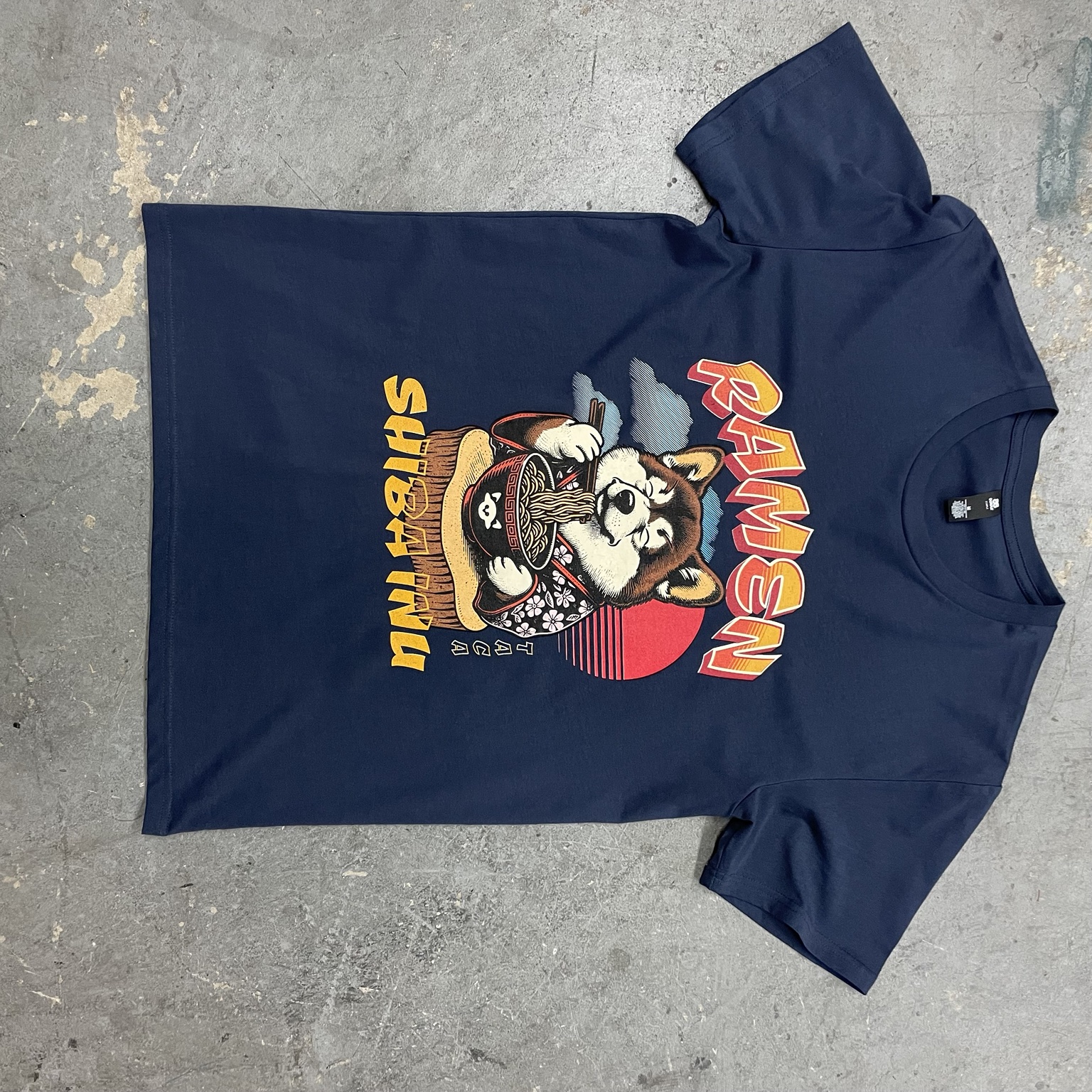
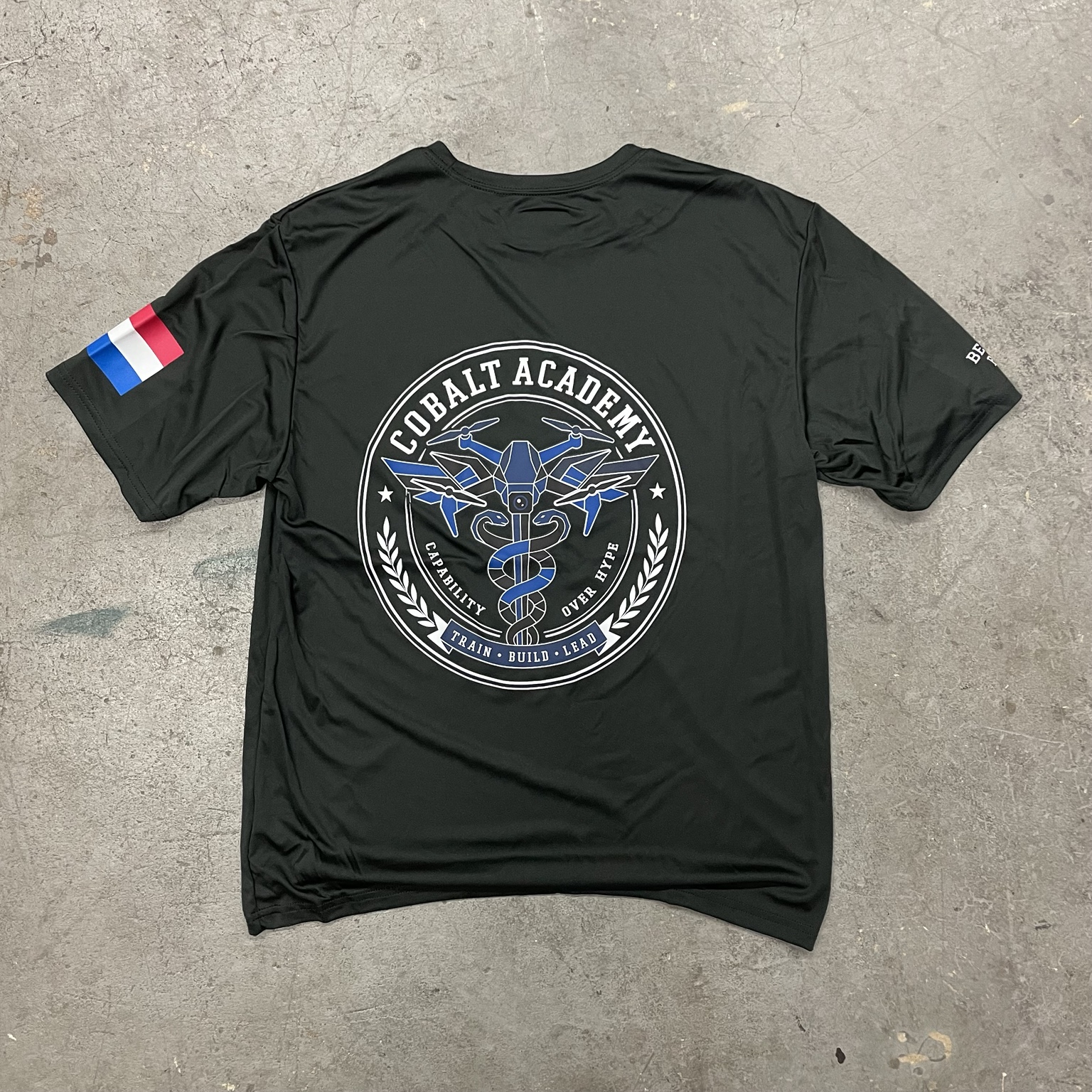
These separate projects show examples of DTG and DTF decoration. The artwork and garments differ, so the photos are not a controlled comparison of color, detail, feel or durability. Ask for samples on comparable garments if those differences will determine your order.
How the methods differ
Direct-to-garment printing applies ink directly to the garment, followed by curing. Direct-to-film printing creates a design on film and uses adhesive and heat to transfer it onto the garment. Both workflows require the right materials and controlled production to achieve a suitable result.
The difference affects fabric selection and the feel of the printed area. It does not establish a universal winner for every logo, shirt or quantity.
Start with the fabric
Cotton is a useful starting point for DTG. Brother identifies open, porous fibers such as 100% cotton as ideal for its DTG process and recommends testing unfamiliar substrates. A cotton-rich blend may also be an option, but its exact composition, color and finish need review.
DTF can extend full-color decoration to suitable polyester and blended garments. Compatibility still depends on the transfer system and garment. Coatings, heat sensitivity and dye behavior can affect the result. Do not assume a method works on every performance shirt simply because the fabric label says polyester.
Consider artwork and print feel
A small chest logo and a solid full-front graphic cover very different areas. DTG can provide a soft feel on suitable garments; DTF leaves a transferred layer over the printed design. Coverage and artwork layout influence how either print feels when worn.
If comfort is a priority for shirts worn through a long shift, compare the planned design at its finished size. Open areas between graphic elements can reduce the amount of covered fabric. Ask about a sample if the feel of a large design will determine your choice.
Both methods can suit detailed, multicolor artwork. Very small text, fine gaps and soft edges still need review at the intended print dimensions. A sharp-looking image on a screen is not proof that every detail will reproduce well on a shirt.
Compare equivalent project quotes
Order quantity matters, but there is no single piece count at which one method becomes the right answer. Garment cost, sizes, print dimensions, locations and artwork preparation all affect the complete quote.
For example, a coordinator considering 48 staff shirts can ask for suitable options using the same garment, size breakdown and front design. If a second quote changes both the printing method and the shirt, ask which part of the specification accounts for the difference. Compare the finished order total as well as the unit price.
Plan for daily use and reorders
Neither method guarantees a fixed number of washes. Garment choice, preparation, application or curing, design coverage and care all influence performance. Follow the instructions supplied for the finished garment, including any limits on heat and ironing over the print.
Keep the approved garment style, color, artwork version, dimensions and print locations for future staff or member orders. A reorder still requires current availability and pricing to be checked. Changing fabrics may require a fresh method recommendation.
Three common group-order scenarios
- Cotton staff shirts: compare suitable methods against comfort, logo size and the expected washing routine.
- Performance event apparel: begin with the selected fabric and confirm a compatible decoration process.
- A mixed apparel order: review each shirt or hoodie separately. One group design does not require every item to use the same method.
Questions before approving your order
Is DTF always cheaper for bulk shirts? No. Request a project-specific comparison with equivalent garments and artwork.
Does DTG only suit small orders? Quantity alone does not decide suitability. Review the full production specification.
Can one design go on different garments? Often that is the goal, but the artwork, placement and method must be checked for each garment.
Get a method recommendation
Send your artwork, garment preferences, quantities, size breakdown and required date. TACA in Arcadia can review options for your business or organization.
Explore full-color bulk apparel printing, compare shirt-selection factors, and read the bulk-apparel pricing guide before requesting a quote.
